
Sony α6700 APS-C Photography Camera
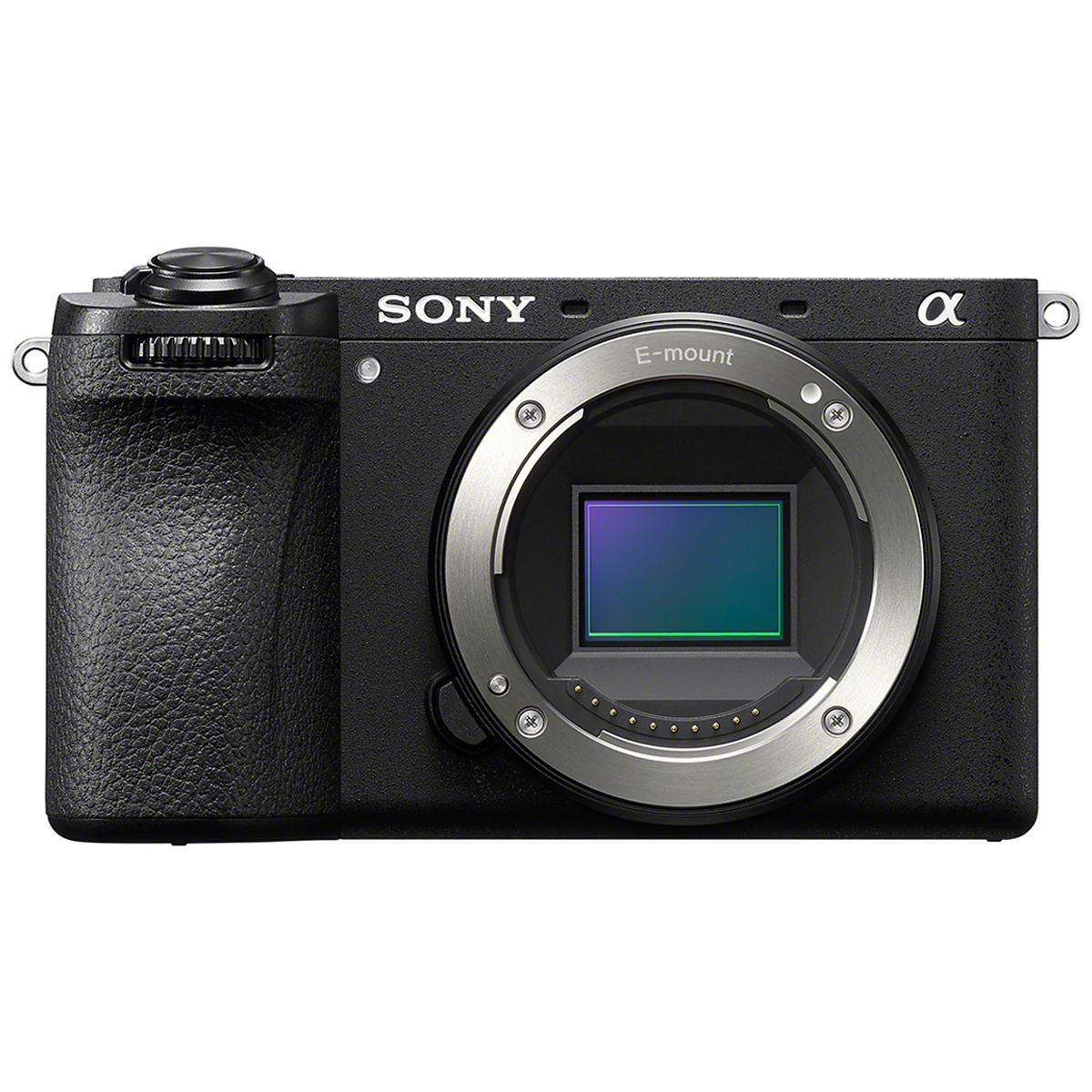
Sony · Sony α6000
$1,399.00 MSRP
Key Features
- APS-C Exmor R CMOS
- 5-Axis In-Body Stabilization
- Subject Detection
- Up to 11 fps Continuous Shooting
- Up to 240 fps Video
- E-Mount
🔒 Log in to add this to a kit.
In the Box
- 1 × Rechargeable Battery NP-FZ100
- 1 × Accessory Shoe Cap
- 1 × Body Cap
- 1 × Eyepiece Cup
- 1 × Shoulder Strap
D.I.T. Data Imaging Technician
Resolution
Internal Recording
Aspect Ratio
Frame Rates
Project Frame Rates
Off-Speed Frame Rates
Sensor Modes
Sensor Modes
| Resolution | Recording Area (W × H) | Crop Factor |
|---|---|---|
| UHD 4K 3840 x 2160 | 23.3 mm × 13.11 mm | 1.62x |
| Full HD 1920 x 1080 | 23.3 mm × 13.11 mm | 1.62x |
Bit Depth & Color Sampling
10-Bit 4:2:0
10-bit 4:2:0 video captures 1,024 shades per color channel, but chroma is subsampled at a quarter of the luma resolution, meaning less color data is stored. This format offers better color depth than 8-bit 4:2:0 and is commonly used for consumer-grade recording and streaming, but it has limitations for intensive color grading and keying.
10-Bit 4:2:2
10-bit 4:2:2 video captures 1,024 shades per color channel, with chroma sampled at half the horizontal resolution of luma, which helps preserve more color detail than 4:2:0. This format strikes a balance between color accuracy and file size, making it ideal for professional broadcast, recording, and moderate color grading work where efficiency and quality are both important.
8-Bit 4:2:0
8-bit 4:2:0 video stores 256 shades per color channel and reduces color resolution by sampling color information (chroma) at one-quarter the rate of brightness (luma). This format is efficient for compression and streaming but offers limited flexibility for color correction and grading compared to higher bit-depth and chroma subsampling formats.
Codecs
XAVC HS
XAVC HS is a version of the XAVC codec that uses HEVC (H.265) compression, offering higher compression efficiency compared to older codecs like H.264 (used in XAVC-S and XAVC-L). It allows for better video quality at lower bitrates, making it ideal for recording high-resolution video, including 4K, while reducing file sizes. XAVC HS is suitable for both professional and consumer workflows, providing a balance between quality and storage efficiency.
XAVC S
XAVC-S is a consumer-friendly version of the XAVC codec developed by Sony, designed for high-quality video recording on consumer and prosumer cameras. It uses H.264 compression and offers a good balance between image quality and file size, making it ideal for content creators who need high-quality video without the large file sizes of professional codecs like XAVC-I. It’s compatible with popular editing software like Adobe Premiere Pro, Final Cut Pro, and DaVinci Resolve, making it accessible for both amateur and semi-professional production workflows.
XAVC S-I
XAVC S-I is an intra-frame version of Sony’s XAVC S codec, designed for high-quality recording by compressing each frame independently, rather than using inter-frame (Long GOP) compression. This approach results in larger file sizes but provides more consistent image quality and makes video easier to edit, as each frame contains all the visual information without relying on surrounding frames. XAVC S-I supports 4:2:2 10-bit color, offering excellent detail and color depth for grading and post-production. It uses the MP4 wrapper and is compatible with many NLEs, making it suitable for professional content creators who need edit-friendly footage with broadcast-quality image fidelity in a more manageable and widely supported format than higher-end codecs.
Compression
All-Intra
All-Intra (All-I) compression records each frame as a complete image, meaning every frame is independently encoded without relying on data from other frames. This results in higher quality and more predictable editing performance, making it ideal for post-production workflows that require precise frame-by-frame manipulation.
Long-GOP
Long-GOP (Long Group of Pictures) is a video compression technique that reduces file size by storing only the changes between frames rather than every individual frame. It uses a combination of I-frames (intraframes with full image data), P-frames (predicted frames), and B-frames (bidirectional frames) to efficiently compress video over a sequence of frames. This structure allows for significantly smaller file sizes compared to All-Intra (All-I) compression, which encodes every frame independently. However, Long-GOP can be more processor-intensive to edit, since reconstructing any given frame may require decoding multiple surrounding frames.