
Canon EOS C300 Mark III Super 35 4K Cinema Camera
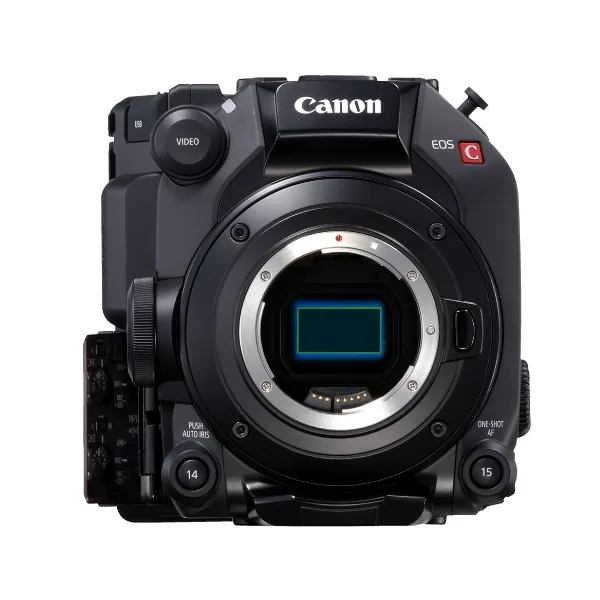
Canon · Canon Cinema EOS
$10,999.00 MSRP
Key Features
- Super 35 Dual Gain Output CMOS
- C-LOG 2 and C-LOG 3
- Up to 180 fps
- Internal Cinema RAW Light
- EF-Mount
🔒 Log in to add this to a kit.
In the Box
- 1 × Canon BP-A60 Battery Pack for EOS C300 Mark II, C200, and C200B
- 1 × 1/4" Head Bolt
- 1 × 1/4" Wrench
- 1 × Bolt Stopper
- 1 × Canon EOS C300 Mark III Digital Cinema Camera Body (EF Lens Mount)
- 1 × Canon GR-V1 Camera Grip for EOS C200
- 1 × Canon LA-V2 LCD Attachment Unit
- 1 × Canon LM-V2 4.3" LCD Monitor
- 1 × Canon Single Battery Charger for EOS C300 Mark II, C200, and C200B Batteries
- 1 × Canon UN-5 Unit Cable for Select Canon EOS Cameras & XC15 (20")
- 1 × Extension Unit Attachment Bracket
- 1 × Handle Unit
- 1 × M3 Head Bolt
- 1 × M3 Wrench
- 1 × M4 Screw for Microphone Holder
- 1 × M4 Wrench
- 1 × Microphone Holder Unit
- 1 × SS-1200 Shoulder Strap
- 1 × Thumb Rest
The Archive
Documents
- Canon EOS C300 Mark III — Support (Manuals, Firmware & Drivers)ManualWeb ↗
Canon USA support hub: instruction manual, firmware and software/drivers for the EOS C300 Mark III.
- Canon EOS C300 Mark III — Product PageManufacturer PagesWeb ↗
Official Canon USA product page for the EOS C300 Mark III Super 35 DGO cinema camera.
Firmware
Enables display of the digital tele-converter icon on Main Recording Displays, adds full-screen external-display output under Peripheral Border Display, and adds a Motion Vector for Digital IS option (default Disable); no recording format was added. Earlier releases delivered the camera's two defining recording expansions: 12-bit Cinema RAW Light RAW HQ/RAW ST/RAW LT modes plus Auto ISO/Gain (1.0.8.1, 2024-07-05), and a 1.8x anamorphic de-squeeze option, 2048x1080/1920x1080 12G-SDI output while recording 4K or 5.9K RAW, Look File support, and BT.709 Standard gamma (1.0.1.1, 2021-07-31).
Adds new Cinema RAW Light recording modes: RAW HQ (High quality), RAW ST (Standard quality), and RAW LT (Light recording); adds Auto ISO/Gain Function; adds Sensor mode as an assignable-button option; adds a Normal/Large Focus Guide size option; enables marker display during playback; enhances FTPS security.
Adds XC Protocol; adds 1.8x to the Anamorphic De-squeeze setting; adds a 2048x1080/1920x1080 option to 12G-SDI output when recording resolution is 4K or 5.9K RAW; adds MON.OUT and HDMI simultaneous output (1920x1080p/i); adds Look File function (3D LUT .cube); adds ITU-R BT.709 standard-compliant gamma (BT.709 Standard/BT.709) to Custom Picture; adds same-file-name simultaneous recording in XF-AVC or Cinema RAW Light.
Canon
 Canon Digital Cinema Cameras
Canon’s role in digital cinema has been shaped by its longstanding expertise in optics and imaging science. When the company introduced the Cinema EOS system, it aimed to bring the familiarity of Canon’s color reproduction and lens ecosystem into the motion-picture space. This transition marked a key moment when large-sensor video capture became accessible to a wider range of productions—from documentary and corporate work to high-end narrative features—helping bridge the gap between DSLR-based video and dedicated cinema workflows.
Canon’s digital cinema lineup has evolved around consistency and color management. The brand’s Super 35 mm and full-frame sensors emphasize pleasing skin tones, balanced dynamic range, and reliable autofocus performance, complemented by recording formats such as Canon RAW Light and XF-AVC. These design choices have made Canon cameras a common choice for productions seeking natural color rendition and efficient file handling across varied post-production environments.
A defining strength of Canon’s cinema approach is its attention to system integration. Support for EF and RF lens mounts, extensive compatibility with third-party accessories, and flexible form factors—ranging from compact documentary bodies to modular studio systems—allow filmmakers to adapt to diverse production scales. Canon’s digital cinema cameras continue to reflect a philosophy centered on image reliability, workflow flexibility, and a smooth transition between still and motion capture within a unified visual language.
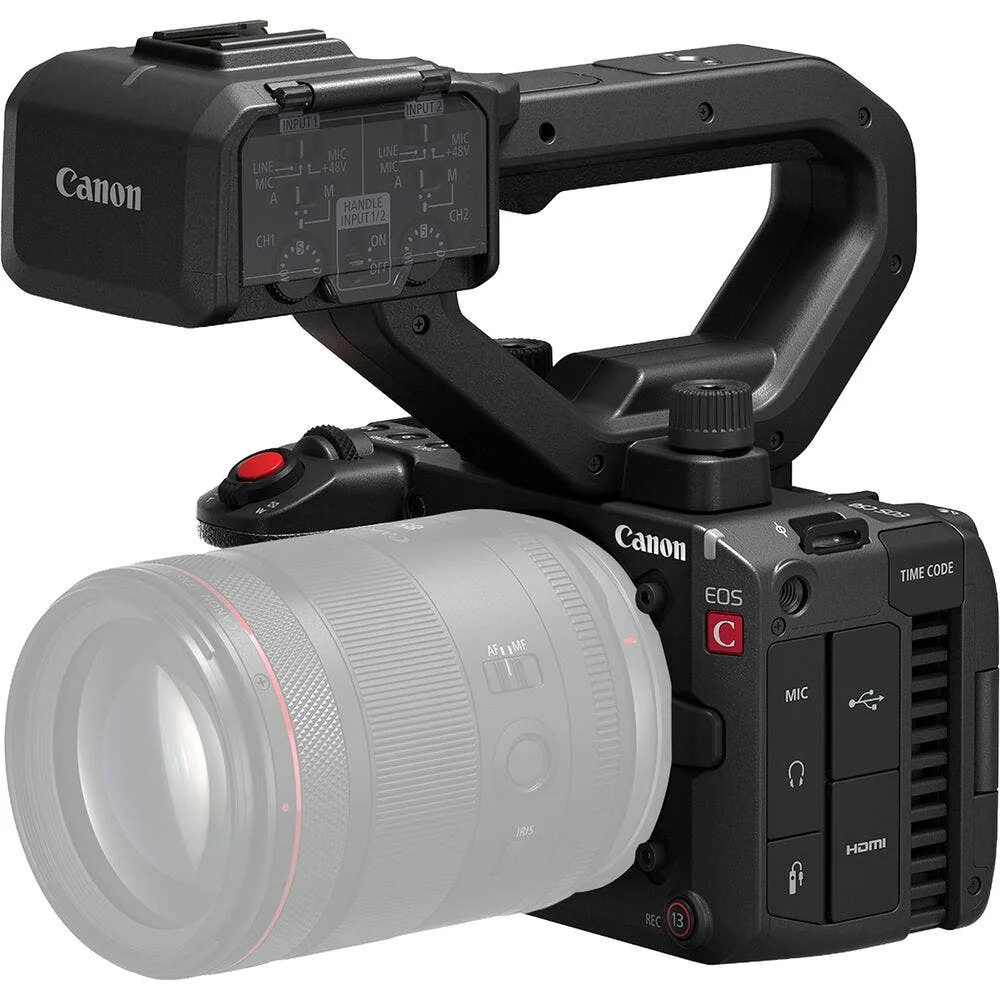
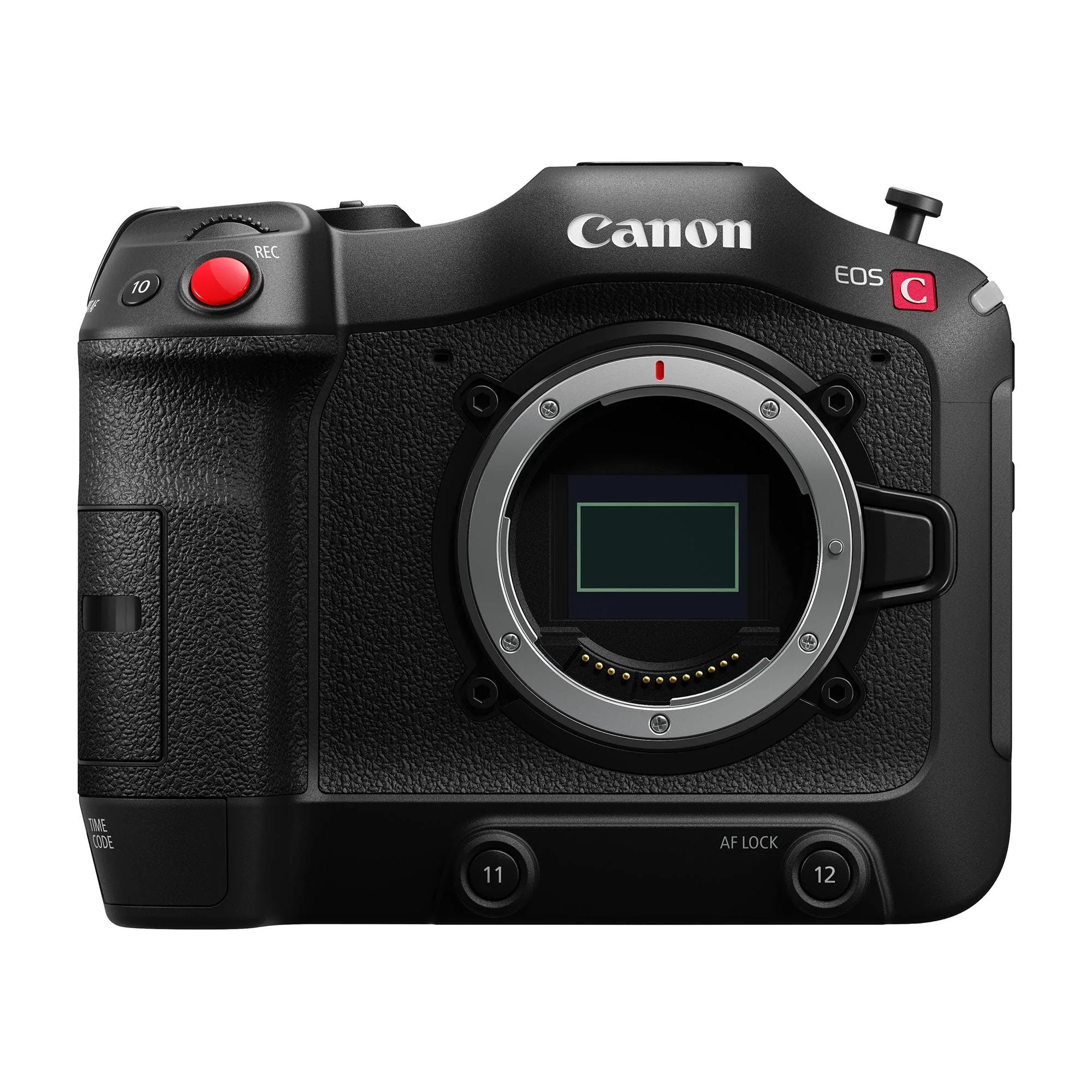
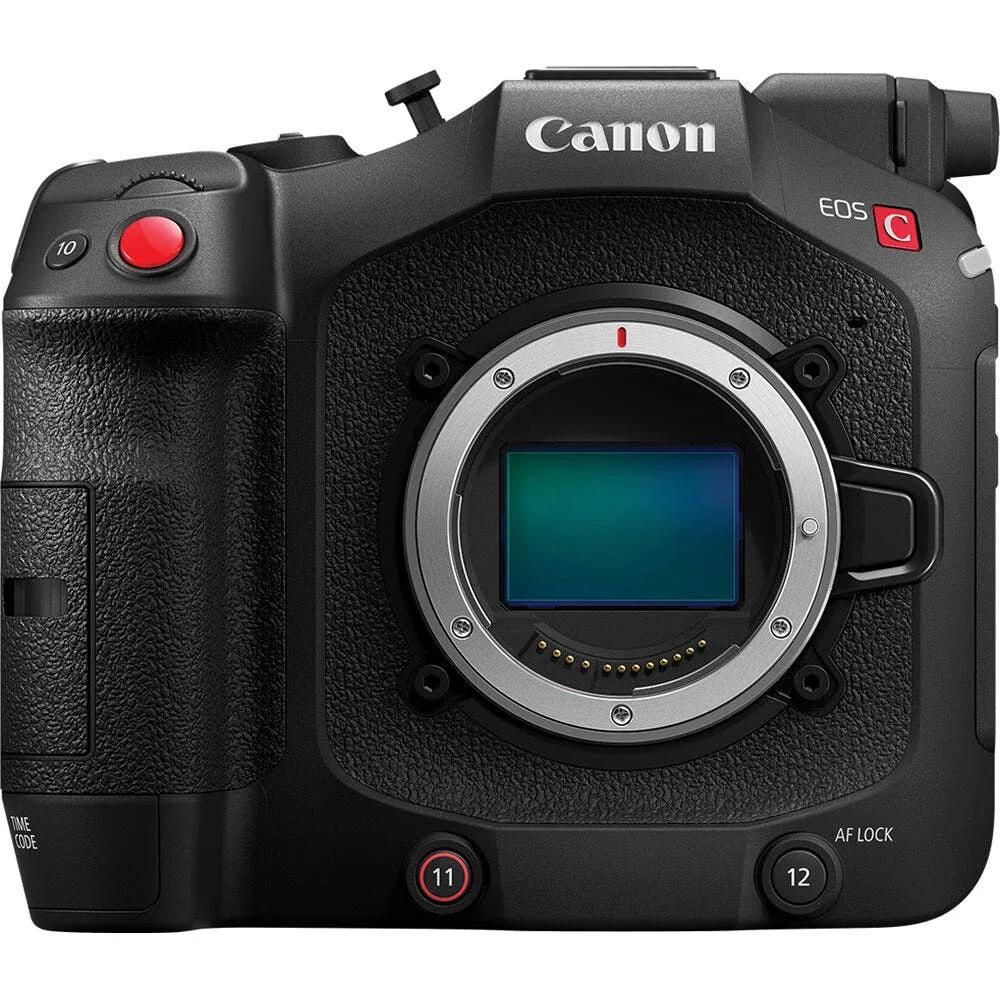
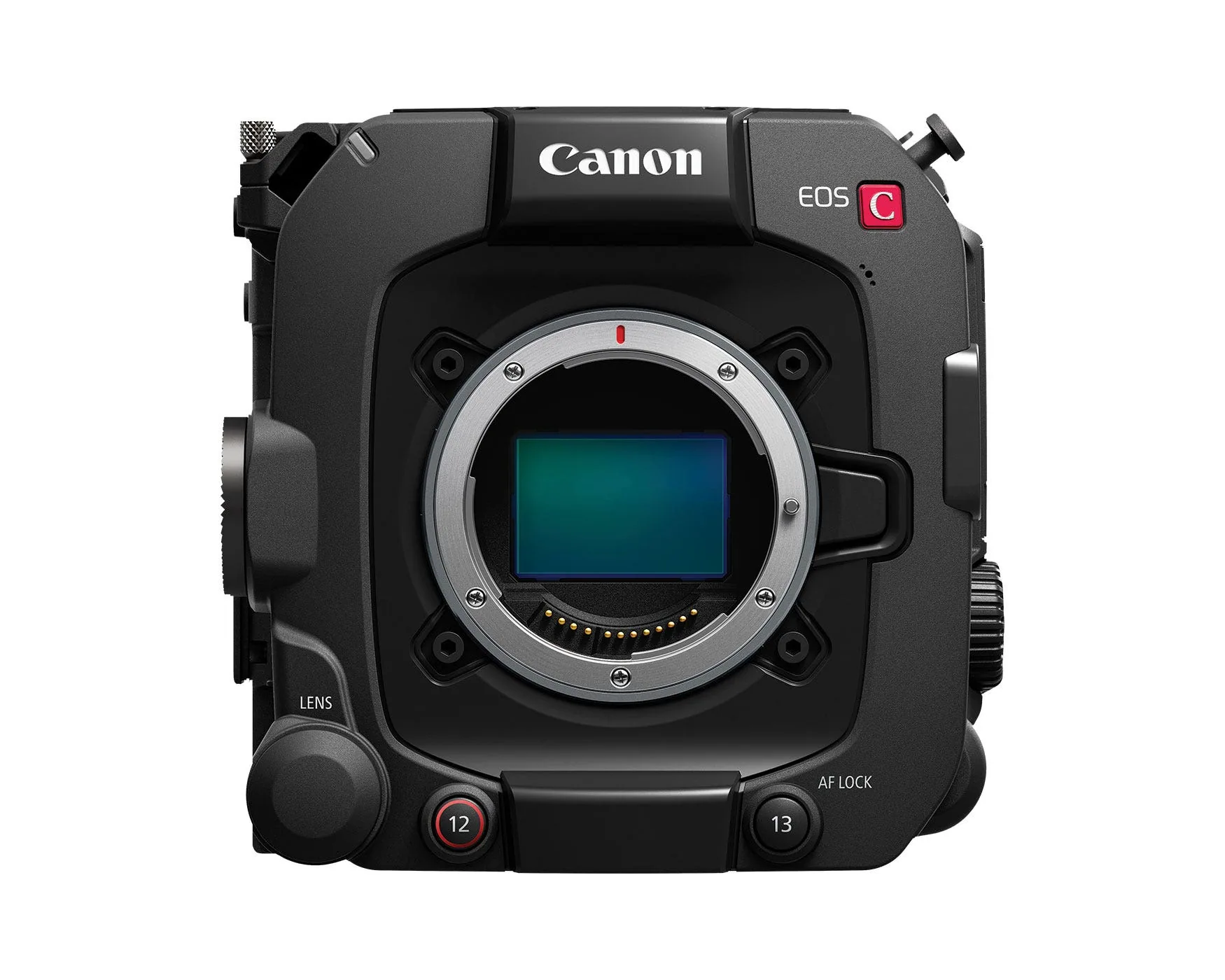
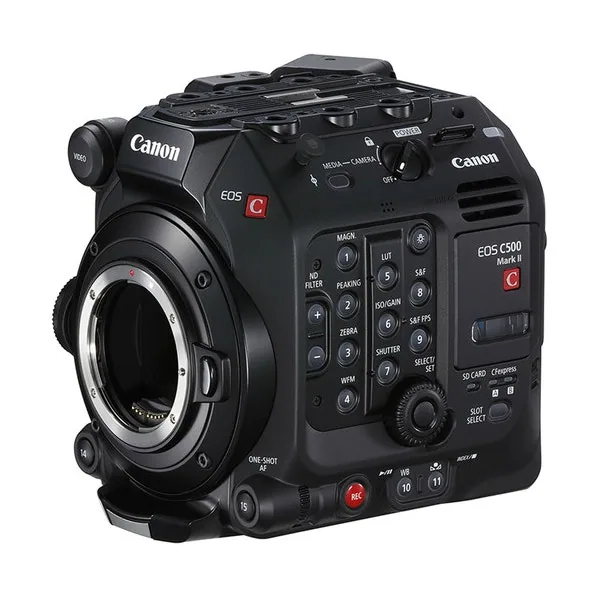
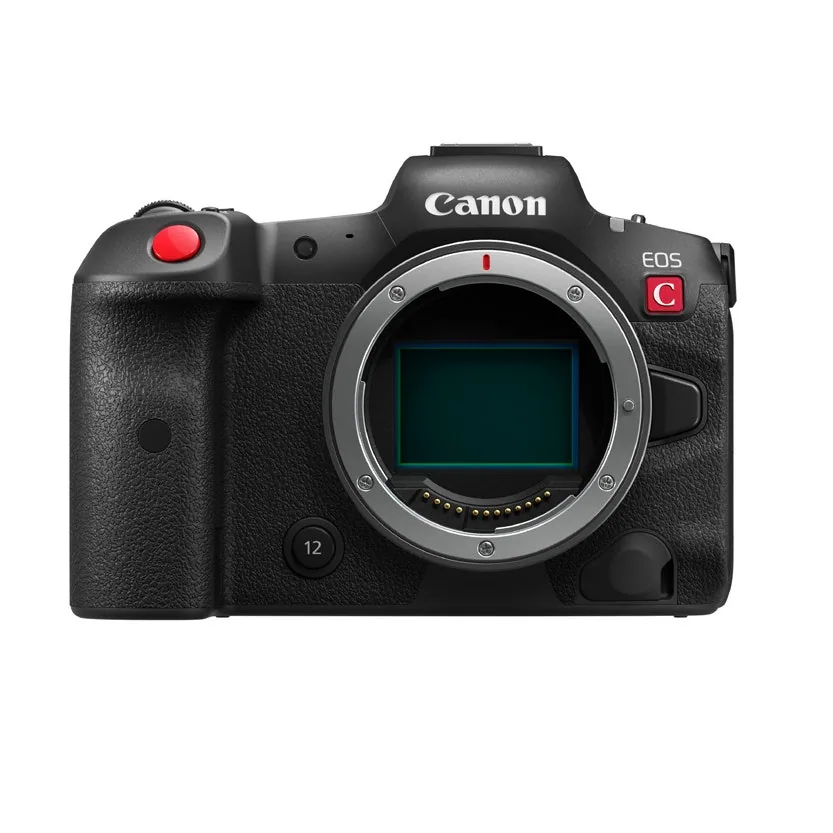
More in the Canon Cinema EOS Series
Contact Canon
- WebsiteGlobal Site
- WebsiteMain Site
- WebsiteSupport
- PhoneCanon U.S.A. HQ: +1-631-330-5000
- PhoneCustomer Support: +1-800-385-2155
- AddressCanon U.S.A. HQ: One Canon Park, Melville, NY 11747
- SocialFacebook
- SocialInstagram
- SocialLinkedIn
- SocialX (Twitter)
- SocialYouTube