
Canon EOS R50 V APS-C Photography Camera
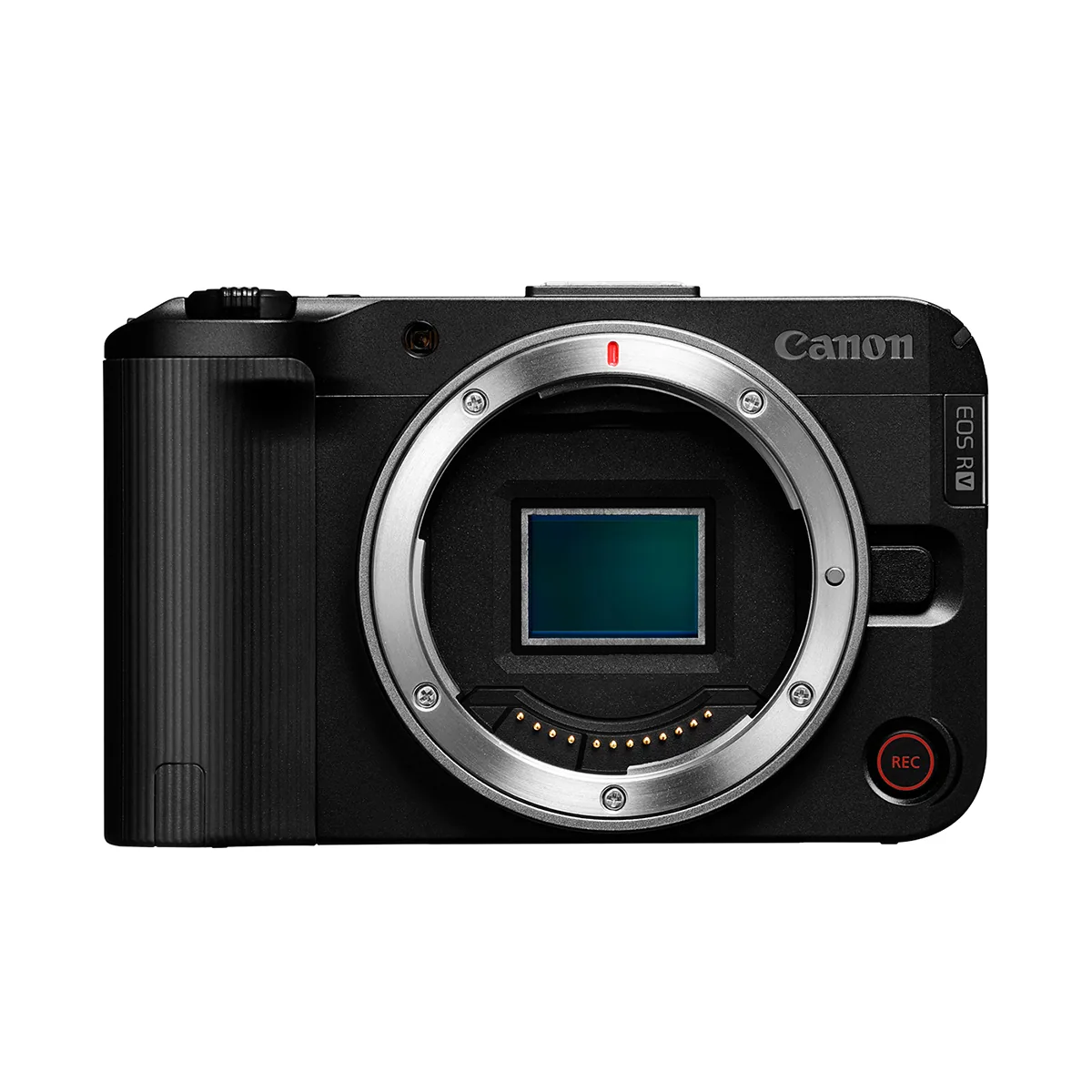
In the Box
- 1 × Battery Pack LP-E17
- 1 × Battery Charger LC-E17
- 1 × Body Cap R-F-5
- 1 × Canon EOS R50 V Camera Body
Electrician
Power Draw
8 W maximum
The most the Canon EOS R50 V APS-C Photography Camera draws, fully accessorized. Every runtime on this tab starts from this worst case, so real-world runtimes are usually a little longer.
Standard Cinema Batteries
Runs on V-Mount, Gold Mount or B-Mount batteries through a battery plate. Approximate runtime on the common sizes:
- 49 Wh
- ≈ 6 h 8 min
- Carry-On OK
- 98 Wh
- ≈ 12 h 15 min
- Carry-On OK
- 150 Wh
- ≈ 18 h 45 min
- Airline Approval
Power Specifications
- Battery Mount
- LP-E17
- Power Supply
- USB Power Delivery
- Battery Life (Video)
- 70 Minutes
- Battery Life (Stills)
- 390 Shots (Monitor)
Good to Know
Watt-Hours (Wh)
A battery’s capacity: how many watts it can supply for one hour. Divide it by the camera’s draw to get the runtime — a 98 Wh battery on a 49 W camera runs about 2 hours.
Why We Plan From the Worst Case
Makers usually publish a draw measured with nothing attached. Real rigs add a monitor, wireless video, focus motors and a warm sensor, so we use the maximum the maker publishes for the camera fully accessorized. Runtimes here are deliberately on the short side.
V-Mount, Gold Mount and B-Mount
The standard cinema battery mounts, made by many brands. A battery plate holds one and feeds the camera through a dummy battery or a DC cable, so one set of batteries can run the camera, the monitor and the wireless video. 49 Wh, 98 Wh and 150 Wh are the common sizes.
Flying With Batteries
Lithium-ion batteries travel in carry-on bags only. Up to 100 Wh: no approval needed. Over 100 Wh up to 160 Wh: airline approval, at most two spares per person. Over 160 Wh: not allowed on passenger aircraft. Check your airline before you fly.