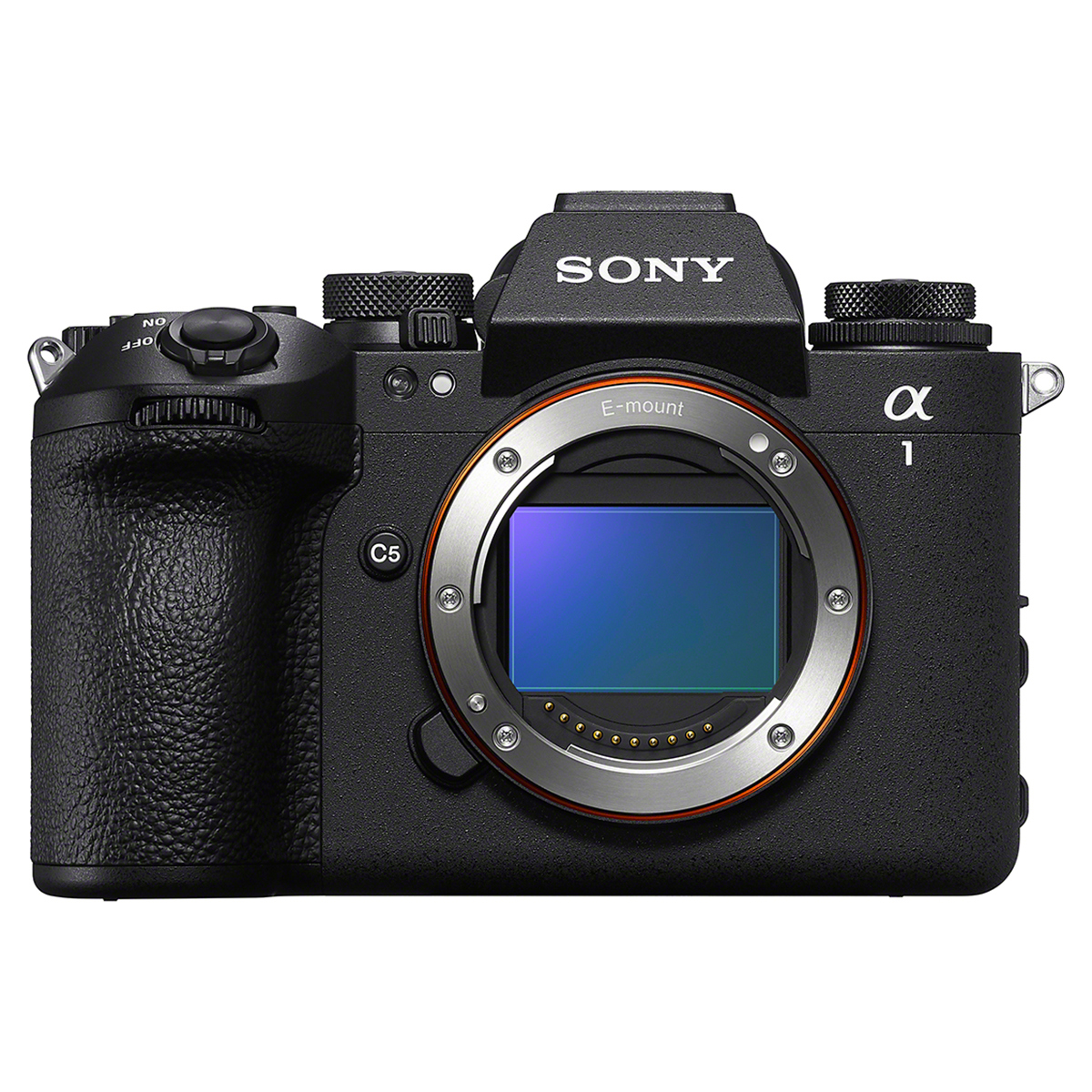
Sony α1 Full Frame Photography Camera
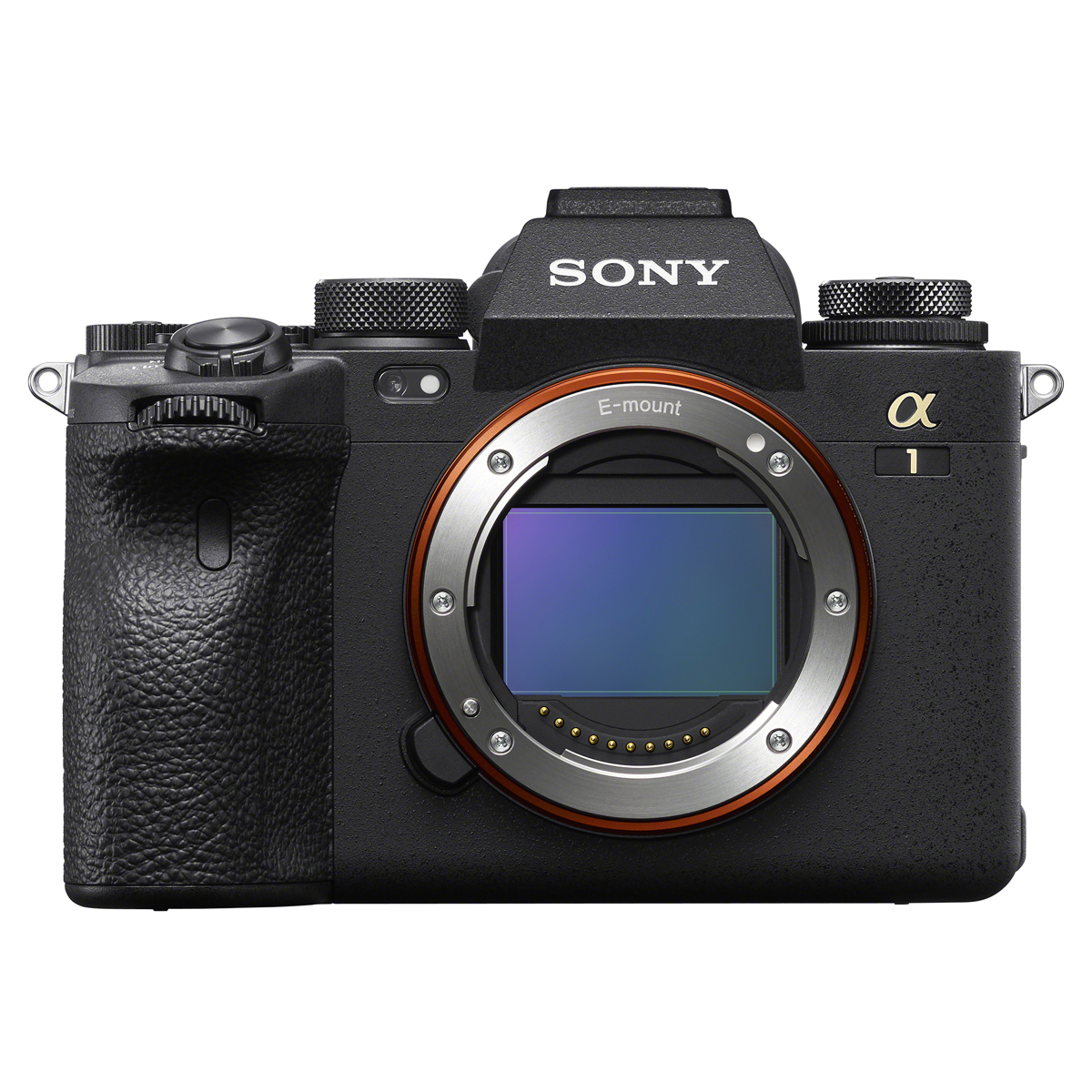
Sony · Sony α1
$6,499.00 MSRP
Key Features
- Full Frame Exmor RS CMOS
- 5-Axis In-Body Stabilization
- Subject Detection
- Up to 30 fps Continuous Shooting
- Up to 240 fps Video
- E-Mount
🔒 Log in to add this to a kit.
In the Box
- 1 × Rechargeable Battery NP-FZ100
- 1 × Accessory Shoe Cap
- 1 × Battery Charger BC-QZ1
- 1 × Body Cap
- 1 × Cable Protector
- 1 × Eyepiece Cup
- 1 × Power Cord
- 1 × Shoulder Strap
The Archive
Documents
- Sony α1 — Help Guide (Manual)ManualWeb ↗
Sony Help Guide — full web-based instruction manual for the α1 (region-neutral English).
- Sony α1 — Firmware & Software DownloadsFirmware & UpdatesWeb ↗
Sony North America firmware, software and driver downloads for the α1.
- α1 — Spec Page: ILCE-1 SpecificationsReference MaterialsWeb ↗
Sony specifications page for the α1 (ILCE-1) full-frame mirrorless camera.
- α1 — Product Page: α1 Sony IndiaManufacturer PagesWeb ↗
Sony product page for the α1 (ILCE-1) full-frame mirrorless camera.
Firmware
Adds Focus Area options (Spot: XL/XS and Custom 1-3, and their Tracking equivalents), Transfer & Tagging and Monitor & Control functions, the Write Digital Signature function, and Volume Photography commands; fixes a continuous shooting delay and a vertical-grip multi-selector issue. No recording format was added.
Sony
 Sony Photography & Hybrid Cameras
Sony’s entrance into the interchangeable-lens camera market marked a significant turning point in digital photography. By focusing early on mirrorless design, the company helped shift industry standards away from traditional DSLRs toward smaller, more efficient systems. The Alpha series, in particular, demonstrated that mirrorless cameras could deliver full-frame image quality, fast autofocus, and robust video performance in a compact form factor—an approach that influenced how many photographers and manufacturers now define hybrid shooting.
Much of Sony’s progress has been driven by advancements in sensor development. The company’s CMOS sensor technology—often featuring backside illumination and high-speed readout—has been widely adopted across both its own lineup and by other camera brands. These innovations have contributed to improved low-light performance, extended dynamic range, and refined color accuracy, all of which have shaped expectations for modern digital imaging.
Sony’s ecosystem also reflects a focus on adaptability. The E-mount system supports a wide variety of lenses from multiple manufacturers, allowing photographers to tailor their setups for different genres, from portraiture to sports and landscape work. Combined with ongoing improvements in stabilization, connectivity, and firmware refinement, Sony’s cameras have played a central role in establishing mirrorless systems as a practical, professional-grade standard within contemporary photography.